Learner Profile Series: How to Teach Students to Be Principled
If there’s one IB Learner Profile trait that shows up in the little everyday decisions students make — it’s being principled. It’s the quiet choices: telling the truth, owning mistakes, showing fairness, speaking up when something isn’t right.
But here’s the tricky part.
Students often know what the principled choice is…
…they just don’t always know how to act on it in real-life situations.
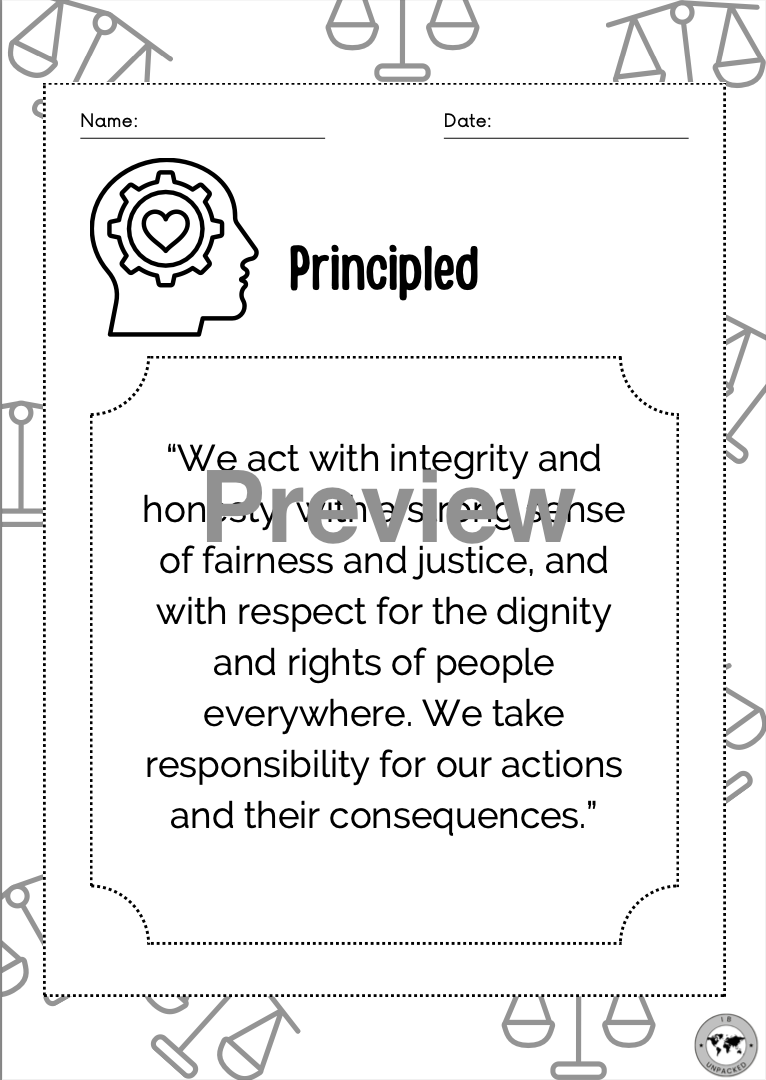
That’s why I created a full MYP lesson that helps students move beyond definitions and actually practice principled thinking in meaningful, relatable contexts. The resource focuses on integrity, honesty, fairness, justice, dignity, and responsibility — all aligned with the IB definition of “principled”
Let me walk you through how the lesson works in the classroom.
Start with real-world dilemmas students actually care about
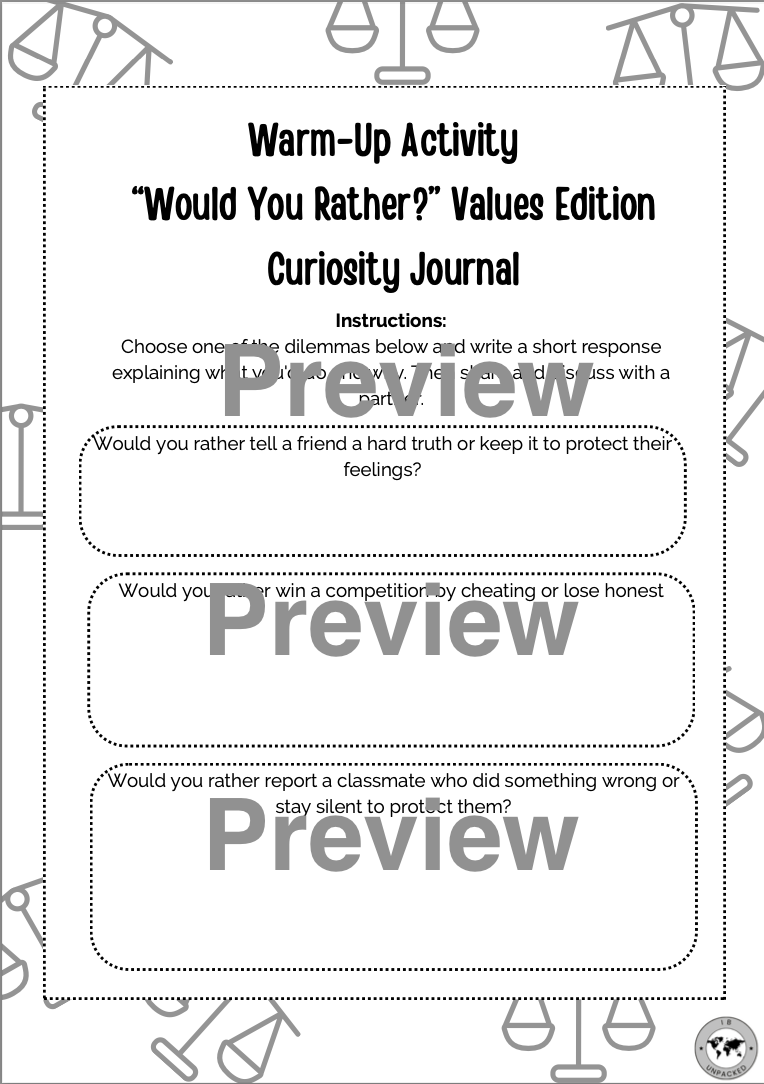
Instead of beginning with a lecture, the lesson opens with a “Would You Rather? — Values Edition” warm-up. Students respond to prompts like:
Would you rather tell a hard truth or protect a friend’s feelings?
Would you rather lose honestly or win by cheating?
Would you report a classmate or stay silent to protect them?
This leads to open, honest discussion — and students quickly realize that being principled isn’t always easy or obvious. The worksheet encourages them to explain why they’d choose a certain action, helping them reflect on values and consequences.
It’s a great way to move them from “right vs wrong” into ethical decision-making.
Help students connect actions with values
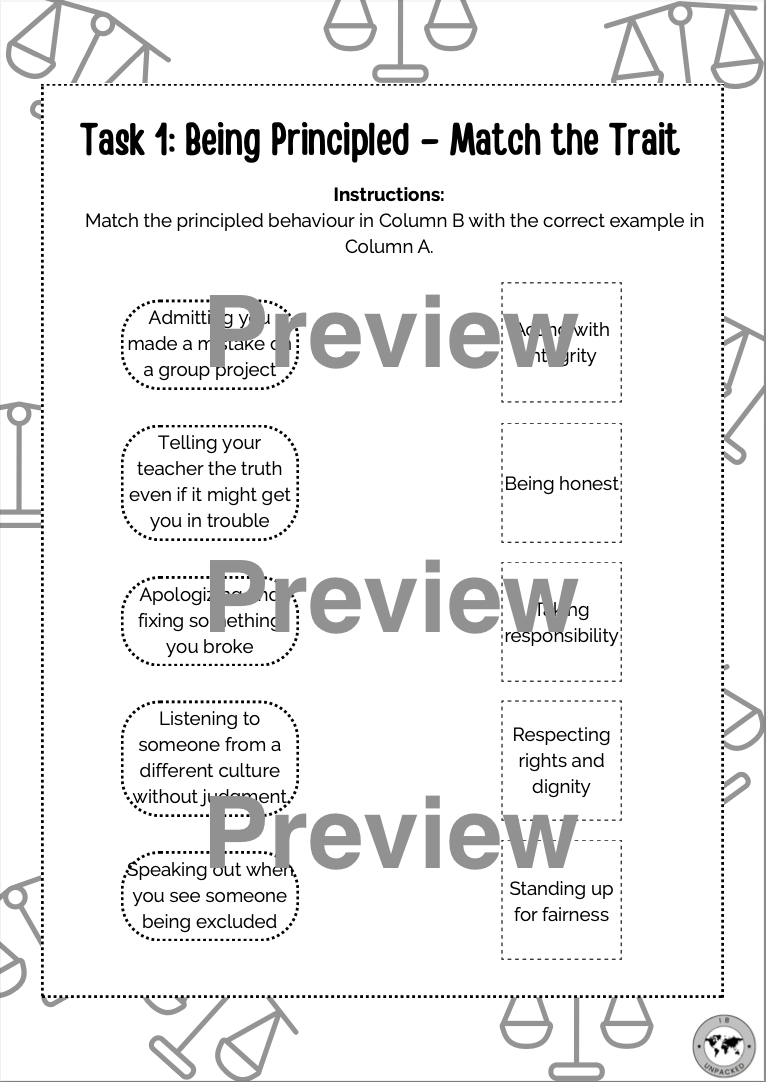
Next, students complete a matching activity where they link principled behaviors with real-life examples — such as:
admitting a mistake
telling the truth even if it means a consequence
respecting others’ dignity
standing up for fairness
This helps them recognise that being principled isn’t just about punishment or rules — it’s about character, accountability, and justice.
Teachers have told me this task often sparks comments like:
“Oh… so apologising is also being principled.”
Yes. Exactly.
Bring the concepts to life through reflection
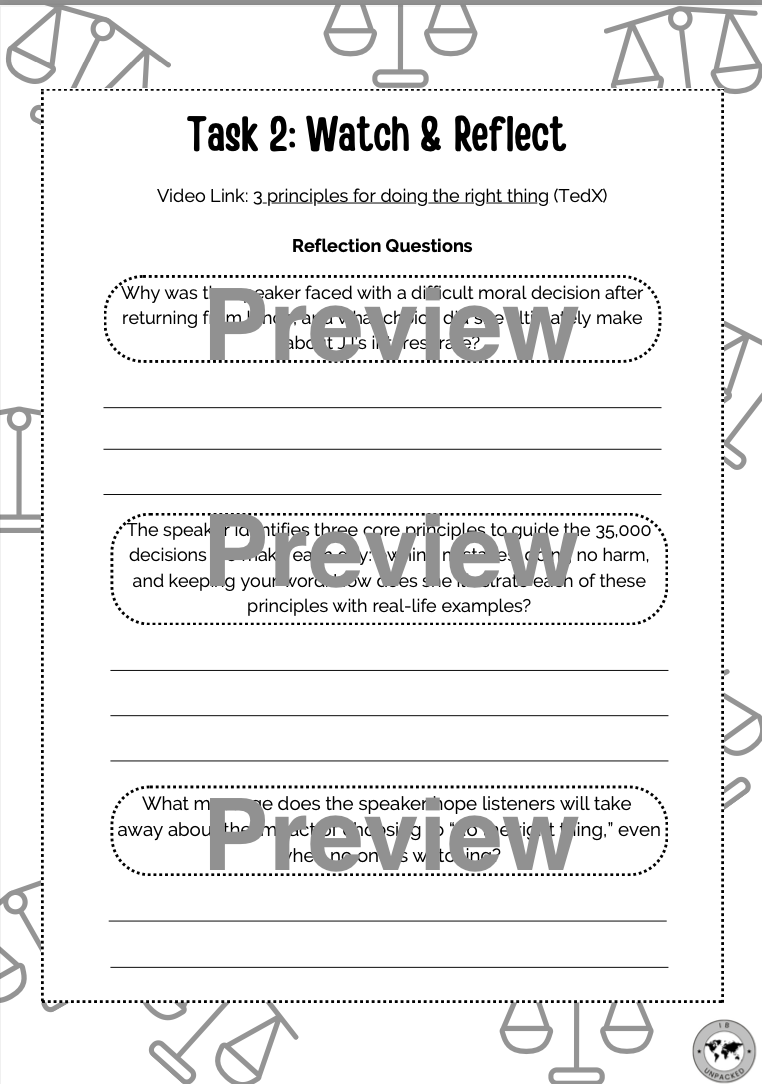
The lesson includes a video reflection task where students explore three guiding principles for “doing the right thing,” then respond to structured questions such as:
What difficult moral decision did the speaker face?
How did they show integrity and responsibility?
Why does doing the right thing matter — even when no one is watching?
These reflections help students link principled choices to real-world consequences and personal integrity.
Scenario-based learning: where the real thinking happens
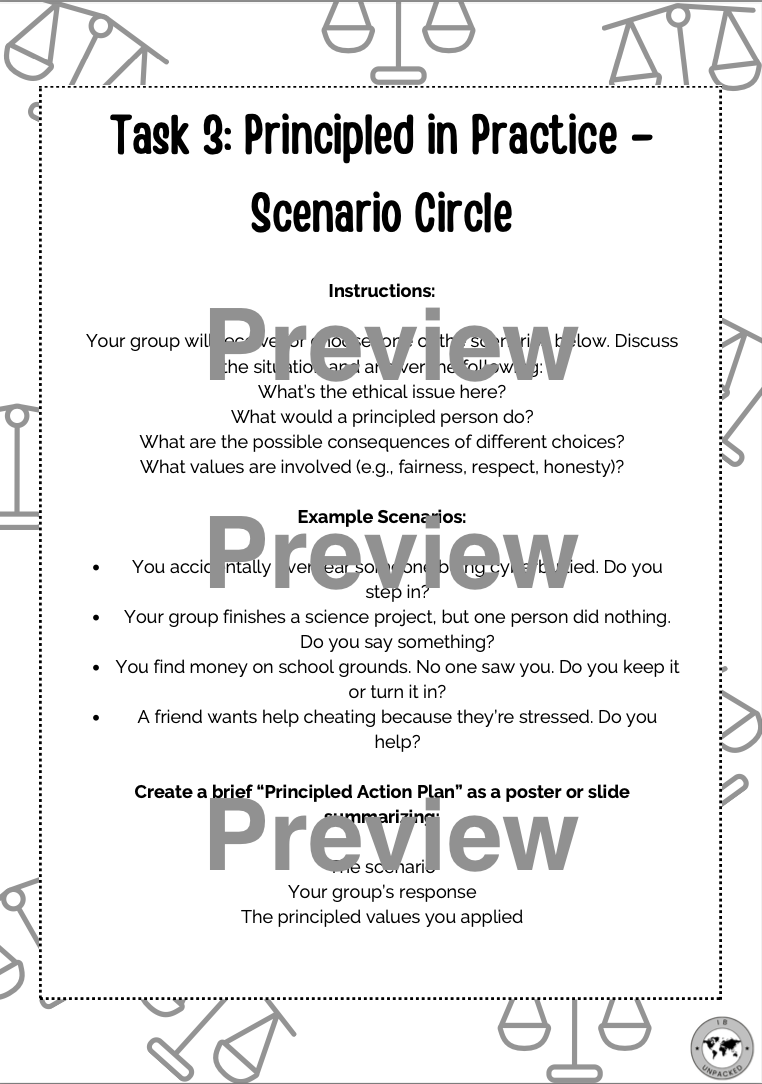
One of my favourite parts of this lesson is the Scenario Circle activity.
Students work through situations such as:
overhearing cyberbullying
dealing with an unequal group project
finding money on school grounds
being asked to help someone cheat
They discuss:
What’s the ethical issue?
What would a principled person do?
What values are involved?
What are the consequences of each choice?
Then they create a Principled Action Plan poster summarising their response and applied values.
This turns abstract values into practical moral reasoning — a huge MYP ATL win.
Build personal reflection and ownership
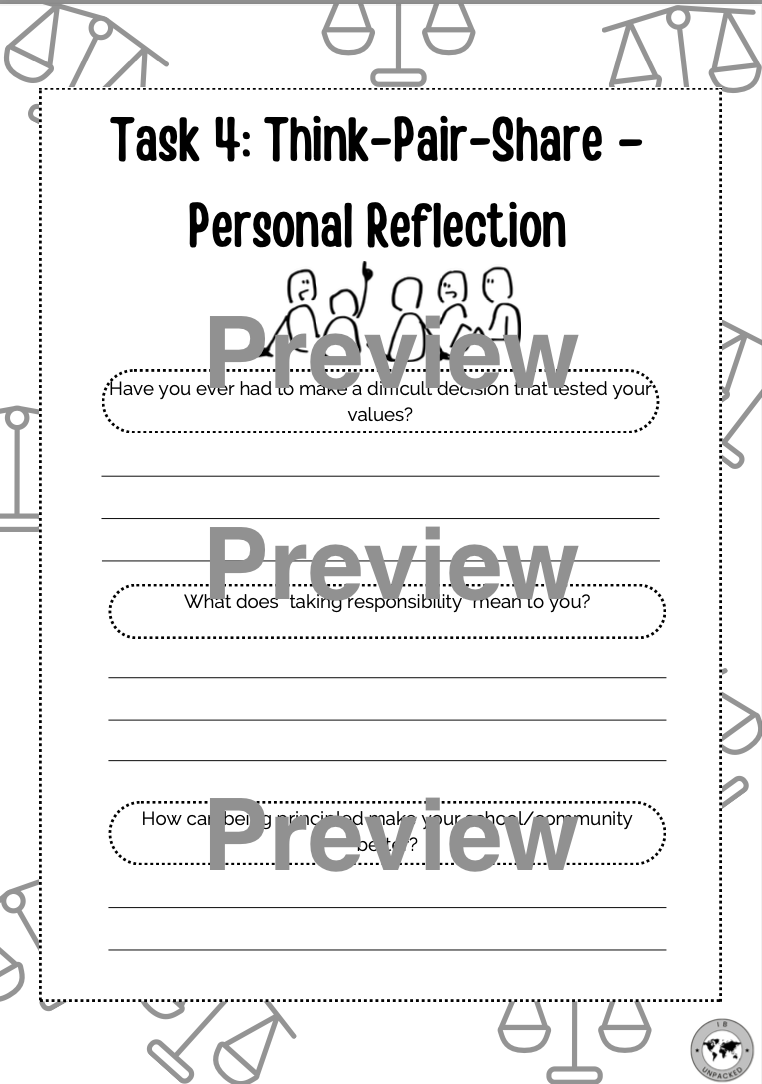
To deepen the learning, students complete a Think-Pair-Share reflection where they consider:
a time they faced a values-based decision
what responsibility means to them
how being principled improves their community
This section encourages empathy, perspective, and self-awareness.
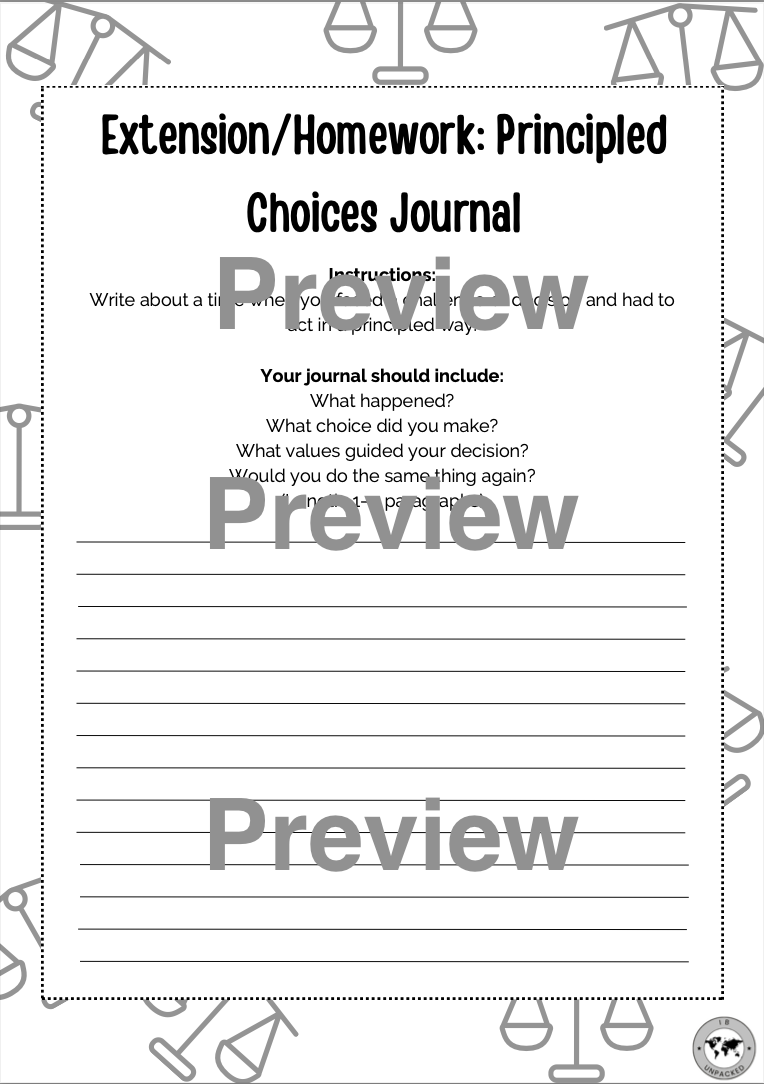
There’s also an optional Principled Choices Journal where students reflect on a real experience from their own lives — helping them see that principled behaviour isn’t just for school… it’s for life.
Finish with self-assessment and goal setting
The lesson closes with a student-friendly self-assessment checklist, where learners rate themselves on traits such as:
doing the right thing even when it’s hard
taking responsibility
treating others with fairness and respect
speaking up when they see injustice
valuing honesty
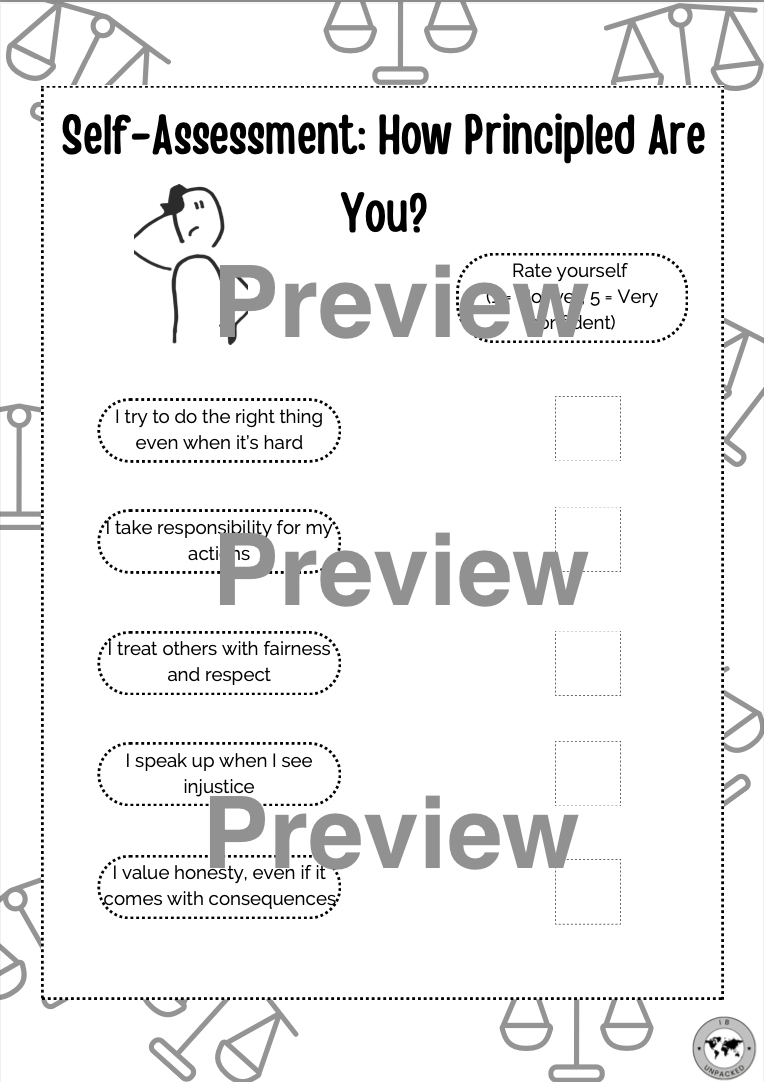
It’s a gentle, reflective way for students to identify strengths and next steps — not a judgement tool, but a growth mindset prompt.
Why teachers love using this Principled Learner Profile lesson
This resource is designed to be:
ready-to-teach
inquiry-driven
discussion-rich
perfectly suited for MYP tutorials, homeroom, advisory, PSHE, or interdisciplinary learning
And most importantly — it helps students understand that being principled isn’t about perfection…
…it’s about owning choices, valuing fairness, and acting with integrity.
Want to use this lesson with your students?
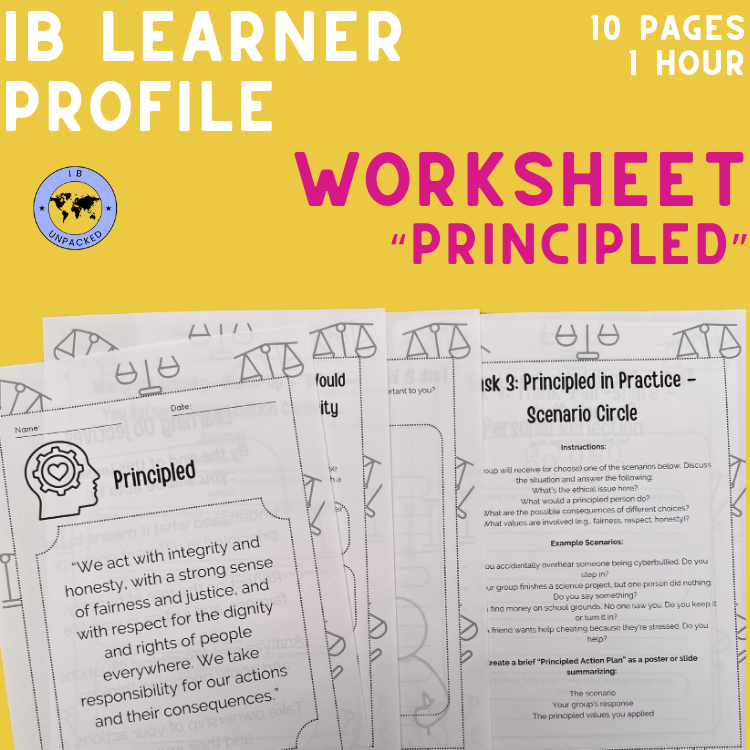
If you’re looking for a meaningful, structured, and student-centered way to teach the Principled Learner Profile trait, this printable workbook is available for purchase as part of my Learner Profile series.
It includes:
warm-ups & discussion prompts
reflective journal writing
scenario-based ethics tasks
ATL and real-world connections
student self-assessment tools
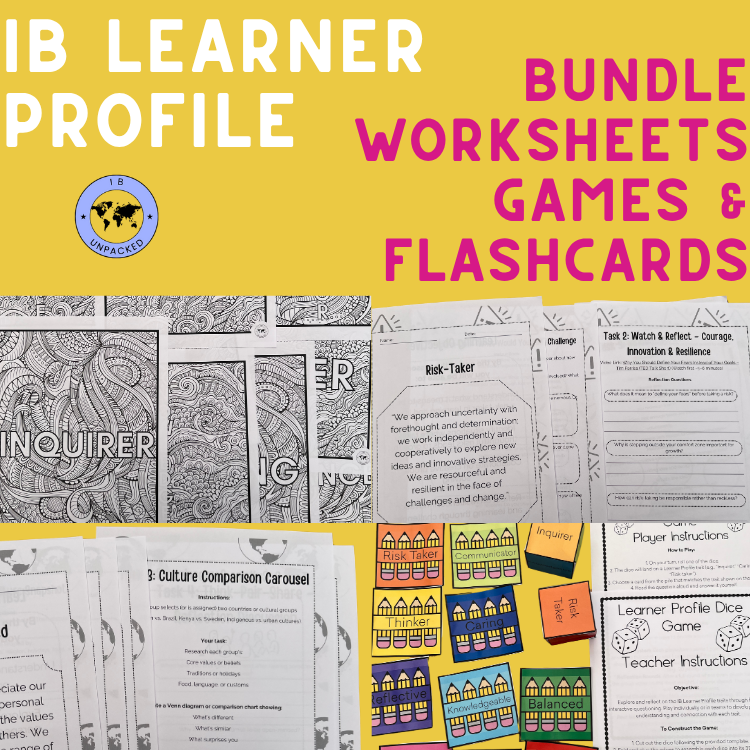
You can also purchase lessons for the other 9 Learner Profile traits, as well as a flashcards, MYP-friendly coloring, and a dice game here: